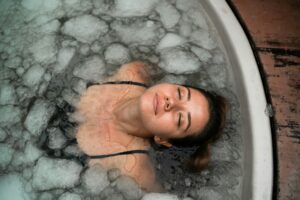
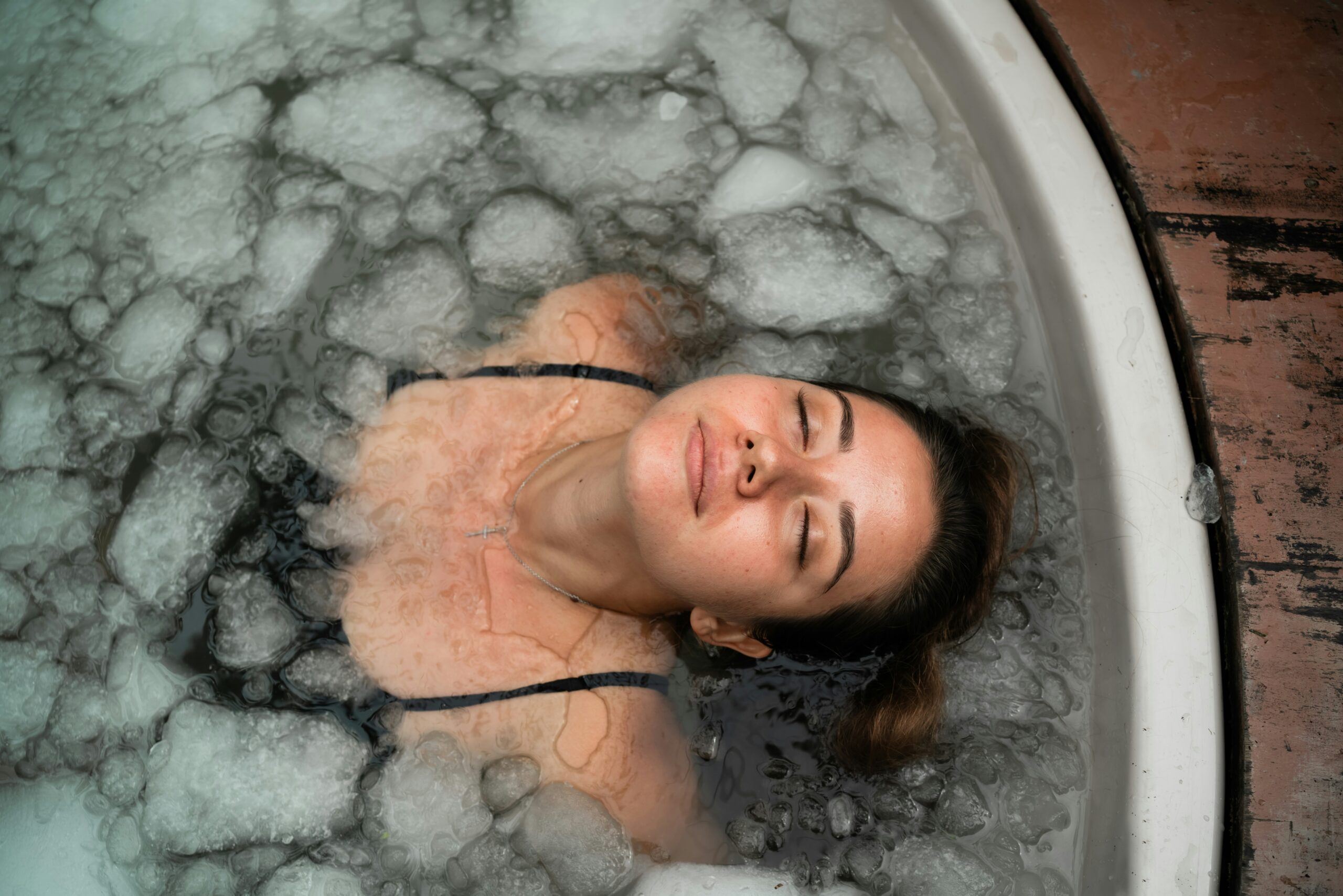
We’re delighted to report that cold plunging is having a moment. But because we know that in itself may not be quite enough to persuade the more cautious among you to step into icy water for the first time, we’ve prepared this handy guide. Read on to learn what actually happens in your body, how to prepare, and how to stay safe so you can feel confident before your first plunge.
What happens in the first 60 seconds
Once you step in, your body reacts right away: your breath might catch, your heart beats a little faster, and your skin gets tingly as blood pulls toward your core to keep you warm. This is called the “cold shock” response, and it is completely normal.
If you can stay with it for 20–60 seconds, most people notice things start to settle—your breathing evens out, your mind sharpens, and the intensity becomes surprisingly manageable. Many folks even report a post‑plunge “high,” thanks to a cocktail of endorphins and other feel‑good brain chemicals your body releases in response to the cold.
How to prepare for your first plunge
- Give yourself a few calm minutes beforehand, rather than rushing in between errands. A slower pace helps your nervous system stay steady.
- Start small: think 30–60 seconds for your first few visits, and build from there as your confidence grows. You are playing the long game, not chasing hero times on day one.
- Practice gentle, steady breathing—slow inhales and even longer exhales—as you step in. This simple habit helps counter that instinctive gasp and gives your heart rate a chance to catch up.
If you have any medical conditions—especially related to your heart, blood pressure, or lungs—it is always worth checking in with a healthcare provider before experimenting with cold exposure. At ALNA, the team is happy to walk you through suggested times and temperatures so your first plunge feels intentional, not overwhelming.
Safety guidelines to keep in mind
Cold plunging is meant to be invigorating —it’s not a test of toughness —so for us, your safety always comes first. For some people, particularly those with heart issues or uncontrolled blood pressure, sudden cold can be risky, which is why a quick conversation with a clinician is so valuable. Do avoid plunging after drinking alcohol, or when you are feeling unwell.
Most guests do well with short, repeatable dips rather than marathon sessions. We usually suggest a few minutes or less per round. And if you ever feel chest pain, dizziness, confusion, or numbness that does not fade, it is time to get out and warm up gradually (not by jumping straight into scorching water). Having trained staff nearby adds an extra layer of reassurance while you learn what works for your body.
What to expect on your first visit to ALNA
When you arrive at ALNA, a team member will orient you to the space, and walk you through recommended ‘flow,’answering questions and offering suggestions. They may also suggest various breathing techniques or rhythms that can greatly help to make those your 60 seconds less intimidating.
Your full session at ALNA will usually weave together both warm and cold elements (sauna plus plunging) so you experience the full contrast effect in a way that feels structured and supportive. And as you come back over time, the team can help you tweak your routine so your contrast practice fits your goals, whether that is post‑workout recovery, stress relief, or simply a new weekly ritual.
Feeling more confident? We hope so.